
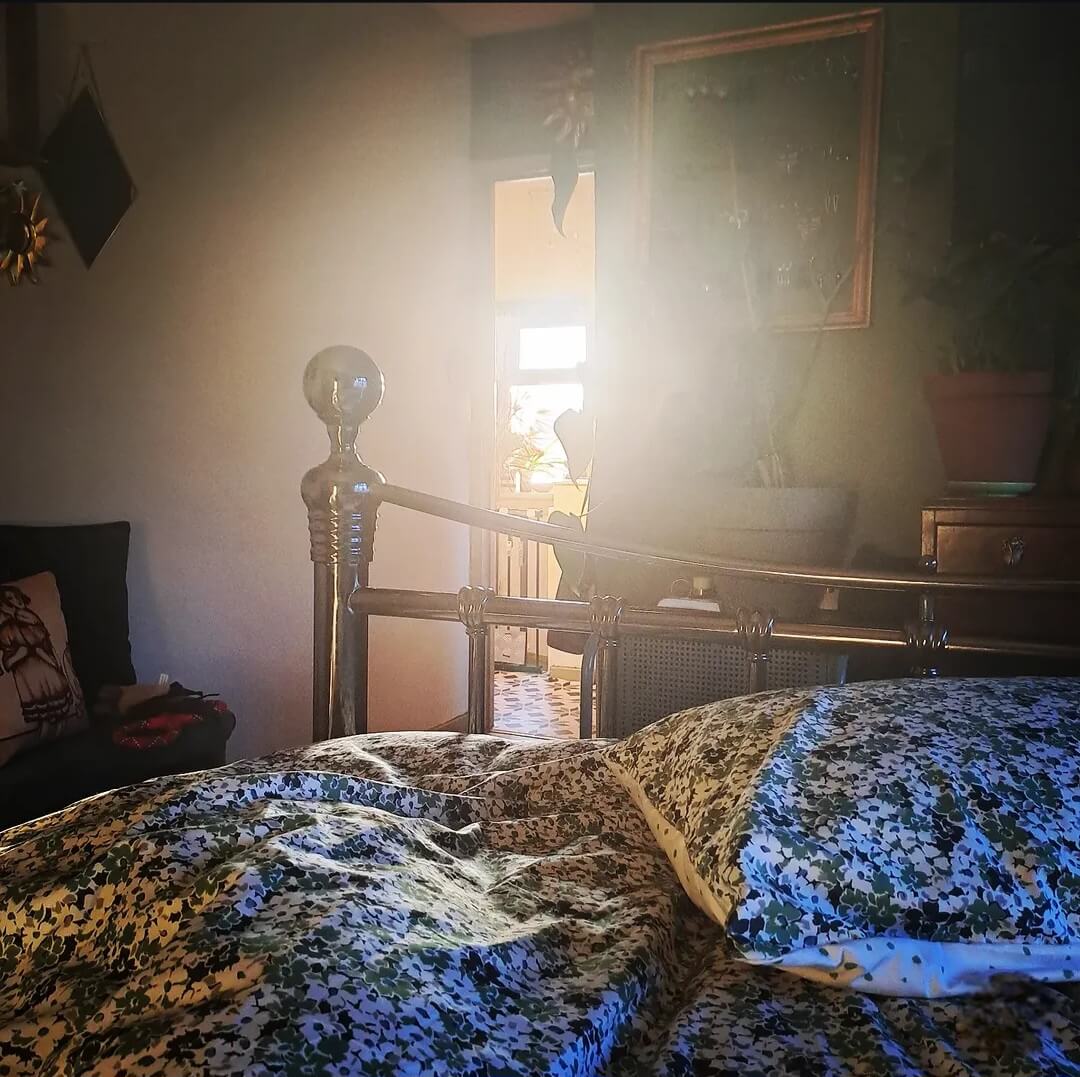
Sensory management is the foundation of reclaiming and protecting your energy and peace as a late diagnosed autistic/ADHD/AuDHD woman. If this is you, you have probably been wondering why a simple trip to Marks & Sparks or a standard day working from home leaves you completely shattered. For years, you might have blamed it on anxiety, low mood, or simply failing at being an adult.
You are not broken. You have simply been navigating a highly intense world with a nervous system that experiences everything with the volume turned all the way up. Learning how to navigate your daily environment is the missing piece of the puzzle for neurodivergent women trying to make sense of their lives.
This comprehensive guide will validate your experiences of overwhelm. We will explore exactly why your home might be draining you and provide practical, UK-specific strategies to transform your living space into a restorative sanctuary.
Decoding the Neurodivergent Home: Sensory Processing Explained
Many late-diagnosed women do not realize that their exhaustion starts the moment they wake up. We are conditioned to think about our senses only in terms of what we can see or hear. However, your nervous system is constantly processing a massive influx of information from the environment around you. (This is why nervous system regulation is the foundation of the work we might do together).
When you are neurodivergent, your brain lacks the standard filtering system that tells you to ignore background data. This means your brain treats the hum of the boiler with the exact same urgency as someone shouting your name.
The Hidden Senses Impacting Your Sensory Management
To truly master your environment, you need to look beyond the basic five senses. Two hidden internal senses heavily impact autistic and ADHD women every single day.
- Proprioception: This is your body awareness, or your understanding of where your limbs are in space. Poor proprioception is why you might constantly bump into doorframes or feel physically exhausted just from standing up.
- Interoception: This is your ability to read internal body signals. Poor interoception causes many neurodivergent women struggle to notice they are hungry or full, thirsty, need the bathroom or are freezing cold until they are suddenly distressed, starving, and shivering.
Why Late Diagnosis Distorts Sensory Management Needs
If you received your diagnosis later in life, you are probably an expert at masking. You have spent years pushing through discomfort because you assumed everyone else was experiencing the exact same thing and that they were just better at managing it than you were. You are not alone.
This has meant that you might actively ignore the physical distress caused by a scratchy furnishings or clothes or a cluttered kitchen counter. You might then blame your subsequent irritability on a bad mood or lack of sleep, rather than realizing your nervous system is in a state of high alert.
The AuDHD Home Paradox: Craving Calm vs. Demanding Stimulation and Sensory Management
Living as an AuDHD person means managing two distinct neurotypes that often want completely different things. It can feel like an internal tug-of-war happening inside your own brain and body.
Your autistic side might crave absolute predictability, minimal clutter, and quiet environments to feel safe. Meanwhile, your ADHD side thrives on novelty, dopamine, and constant visual reminders.
Balancing Autistic Order and ADHD Chaos for Sensory Management
This internal conflict often manifests clearly in how you keep your living space. The ADHD side of your brain creates doom piles of papers, clothes, and projects because packing them away feels like they no longer exist.
Eventually, these piles might overwhelm your autistic need for visual calm. This friction can trigger sudden, intense overwhelm or a complete executive dysfunction freeze where you cannot tidy up but you cannot relax either.
Object Permanence and Sensory Management in Storage
Traditional British home storage advice often tells us to hide everything behind closed cupboard doors to keep things tidy. However, for an ADHD or AuDHD brain, out of sight truly means out of mind.
If you cannot see your items, you forget you own them, leading to frustration and accidental duplicates. A better approach is using clear, stacked acrylic organizers or open shelving with highly curated items to satisfy both needs.
Auditory and Visual Tweaks for Immediate Nervous System Relief
Our homes are filled with low-level auditory and visual pollution that keeps our bodies in a persistent fight-or-flight state. By making a few intentional adjustments, you can drastically lower your daily stress levels.
Visual Sensory Management: Banishing the Harsh Overhead Glow
Standard energy-efficient overhead light bulbs found in many UK homes are a major source of hidden distress. They often emit a subtle hum or a high-frequency flicker that is often invisible to neurotypical people but can be agonizing to an autistic nervous system.
Instead of relying on the main ‘big light’, try building a layered lighting system. Use warm-toned floor lamps, fairy lights, and dimmable smart bulbs to create a gentle atmosphere.
Auditory Sensory Management: Silencing the Domestic Hum
Living in semi-detached houses or flats across the UK means dealing with a lot of shared acoustic noise. The constant roar of passing traffic, ticking wall clocks, rattling radiators, and buzzing smart meters all add up.
Consider investing in heavy, sound-dampening thermal curtains for your windows. These can help to block out both street noise and cold drafts simultaneously, protecting your peace. If you struggle with wearing headphones or earplugs, playing white, brown or pink noise can help mask the sounds without being too intense or distracting.
Tactile and Olfactory Comfort: Scent and Fabric Sensory Management
The things we touch and smell in our homes have a direct line to our emotional regulation. What feels like a minor annoyance to someone else can be a barrier to rest for you.
Olfactory Sensory Management for Highly Sensitive Women
Many homes in the UK battle with poor ventilation, dampness, or lingering cooking odours. For a highly sensitive person, these smells can trigger intense nausea or a sense of claustrophobia.
Switching to completely fragrance-free laundry detergents and cleaning products is an easy win. You can then introduce scents you actively choose and control, such as a specific essential oil diffuser. (Bonus points if it is an oil shown to reduce cortisol levels, because then you are helping to regulate your nervous system too!)
Tactile Sensory Management and Your Environment
Have you ever sat down to relax in the evening, only to find yourself feeling increasingly agitated? Take a moment to check what your skin is touching.
Scratchy sofa fabrics, synthetic duvet covers, or tight waistbands completely derail your ability to wind down. Prioritize breathable materials like 100% cotton or bamboo for your bedding and remove tags from your loungewear immediately if they bother you. If you’re anything like me, once you find the ‘Holy Grail’ of clothing, you will buy multiples. I suspect that some people might think that I wear the same thing all of the time, but no, I just bought several of my favourite dress!
Creating a Sensory First Aid Kit and Safe Spaces at Home
You do not need a massive house to create an environment that supports your neurodivergence. Even if you share a compact space with a partner, flatmates, or family, you can carve out dedicated zones for recovery.
Zoning Your Space for Better Sensory Management
Designate one specific corner of your home as your absolute decompression nest. This area should be kept entirely free of work, chores, and clutter.
- Stock this area with a high-quality weighted blanket or sleep pod if that’s your bag, to ground your nervous system. (The sleep pod is a great alternative for when it’s too hot for a standard weighted blanket, or if you are travelling).
- Keep your favourite noise-cancelling headphones or earplugs within arms reach.
- Ensure there is a phone charger with a long cable nearby so you do not have to move when your energy is low.
Normalizing the Low-Demand Day Setup
There will be days when your executive dysfunction hits hard and your environment feels entirely overwhelming. Prepare for these moments by setting up a low-demand system in advance.
Keep a specific cupboard stocked with texture-safe snacks and meals that require zero cooking. Having a wheeled trolley or emergency kit with your essential comfort items means you can bring your safe space with you to whatever room you are in. Emergency kits can be fun to make when you have the spoons, another plus is that just knowing that there is an emergency kit to hand for difficult moments can act as a safety net and make us feel a little more resilient than we would without one.
Conclusion: Radical Self-Accommodation as a Neurodivergent Woman
Managing your surroundings is not an indulgence, a luxury, or a vanity project (but if you can and want to make it luxurious-why the hell not? You deserve it!) For late-diagnosed adult women, it is a fundamental piece of healthcare that directly impacts your capacity to function, work, and thrive. Your home does not need to look like an interior design magazine. It needs to feel like a massive sigh of relief the moment you step through the door.
You have permission to break traditional housekeeping rules in favour of things that actually protect your peace and energy. Every small change you make is an act of kindness toward your nervous system. Again, you deserve this!
If you are struggling to navigate these adjustments on your own, or if you feel completely overwhelmed by the process of unmasking, you do not have to figure it out in isolation. I offer specialised therapeutic services tailored specifically for late-diagnosed women in the UK. Together, we can unravel the years of masking, understand your unique profile, and build practical strategies that truly fit your life.
Click the button below to book a free consultation today and let us start building a life that feels safe and sustainable for you.